
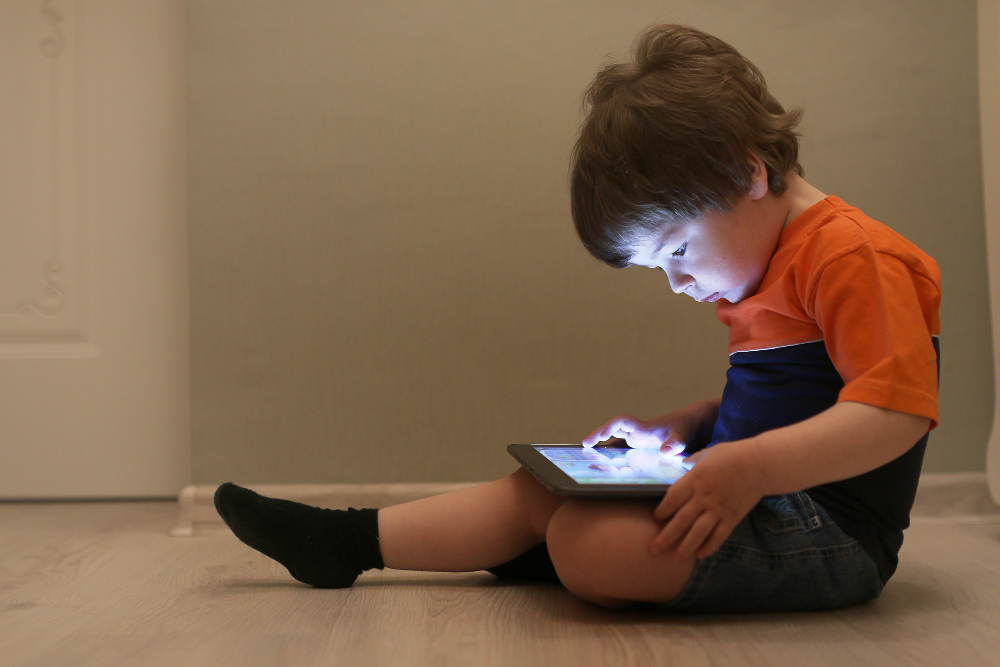
Screen de-addiction in children is more important than ever. Today, many kids spend hours on phones, tablets, or computers. While screens can help with learning, too much use can harm a child’s health. Screen de-addiction means helping children reduce screen time and build healthy digital habits. Parents and caregivers play a key role in guiding kids toward a balanced digital life. In this blog, we explore what screen de-addiction is, its symptoms, causes, and how to promote healthy screen time for kids.
What Is Screen De-addiction in Children?
Screen de-addiction is the process of helping children cut down on excessive screen use. It focuses on teaching kids to use digital devices in a healthy way. For example, children learn to balance screen time with other activities like outdoor play, reading, or family time. The goal is not to ban screens but to help children use them wisely. According to the World Health Organization (WHO), children should have limited screen time each day. This helps protect their mental and physical health.
Common Symptoms of Screen Addiction
Many parents worry about screen addiction in children. But how can you tell if your child is at risk? Watch for these common symptoms:
However, not all screen use is harmful. It becomes a problem when it affects daily life or health.
Causes and Risk Factors
Several factors can lead to screen addiction in children. For instance, easy access to devices makes it simple for kids to spend hours online. Sometimes, children use screens to cope with stress or boredom. In addition, lack of outdoor play or family activities can increase screen time. Other risk factors include:
Understanding these causes can help parents reduce screen addiction in children.
Diagnosis and Warning Signs
Doctors do not use a single test to diagnose screen addiction. Instead, they look for patterns in a child’s behavior. For example, if screen use leads to problems at school or home, it may be a warning sign. Some signs to watch for include:
If you notice these signs, it may be time to talk to a pediatrician or mental health expert.
Effective Treatment Strategies
There are many ways to help children with screen de-addiction. First, set clear rules about screen time. For example, limit screens during meals or before bedtime. Next, encourage other activities like sports, reading, or art. In some cases, a digital detox for children may help. This means taking a break from all screens for a set time. Other helpful strategies include:
For severe cases, counseling or therapy may be needed. The CDC suggests involving the whole family for better results.
Tips for Promoting Healthy Digital Habits
Building healthy digital habits starts at home. Here are some tips to guide your child:
With these steps, children learn to enjoy screens in a balanced way.
Prevention: How to Reduce Screen Time
Preventing screen addiction is easier than treating it. Start by setting clear limits on daily screen use. For example, the American Academy of Pediatrics recommends no more than one hour per day for children aged 2 to 5. For older kids, encourage breaks every 30 minutes. Other prevention tips include:
By taking these steps, you can help reduce screen addiction in children and support healthy growth.
When to Seek Professional Help
Sometimes, screen addiction can be hard to manage at home. If your child’s screen use leads to serious problems, it may be time to seek help. For instance, if your child becomes withdrawn, anxious, or depressed, consult a pediatrician. Also, if school performance drops or family life suffers, a mental health expert can offer support. Early help can prevent long-term issues and promote healthy digital habits for children.
Conclusion
In summary, screen de-addiction is key to raising healthy, happy children. By watching for symptoms, setting clear rules, and modeling good habits, parents can guide kids toward balanced screen use. Remember, healthy screen time for kids is possible with the right support. Consult a pediatrician at Saraswati Hospital for personalized advice on managing your child’s screen time.