
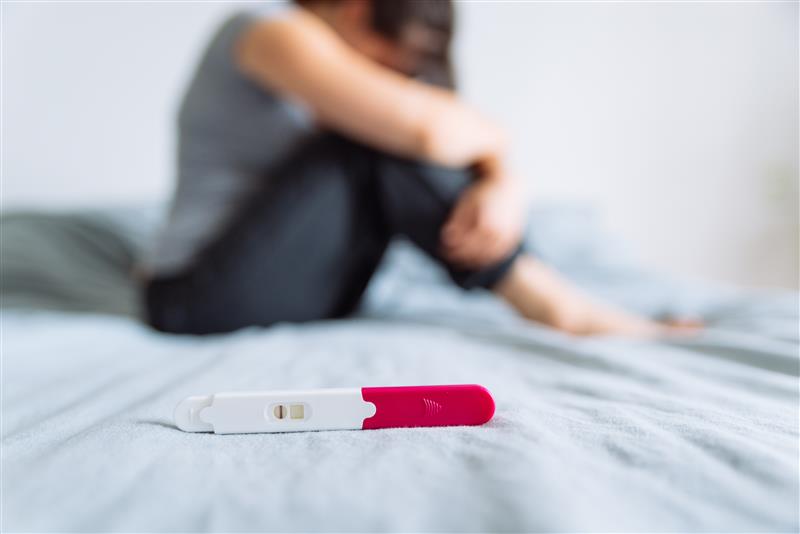
What is Female Infertility?
Female infertility means a woman has trouble getting pregnant after trying for one year. For women over 35, it means not getting pregnant after six months of trying. Many couples face this challenge. In fact, female infertility affects millions worldwide. Although it can be stressful, there are many ways to find help and support. Understanding the causes and symptoms is the first step. Early diagnosis and treatment can improve the chances of having a baby.
Common Causes of Female Infertility
There are several reasons why a woman may have trouble getting pregnant. Some causes are easy to treat, while others may need more care. Knowing the main female infertility causes can help you seek the right help.
Recognizing Symptoms of Female Infertility
Often, female infertility has no clear symptoms. However, some signs may suggest a problem. If you notice any of these female infertility symptoms, it is wise to talk to your doctor.
Sometimes, these symptoms are mild. Still, they can point to an underlying issue. Early attention can make a difference.
How Female Infertility is Diagnosed
Doctors use several tests to find out how to diagnose female infertility. First, they ask about your health and menstrual cycle. Next, they may do a physical exam. After that, they may suggest tests such as:
Sometimes, your partner may also need tests. This helps find out if there are male fertility issues too. Early diagnosis can lead to better treatment options.
Treatment Options for Female Infertility
There are many female infertility treatment options. The right choice depends on the cause. Your doctor will help you decide what works best for you. Common treatments include:
Sometimes, a mix of treatments works best. Your doctor will guide you through each step.
Lifestyle Tips and Prevention
While not all cases can be prevented, some steps may lower the risk of female infertility. Here are some helpful tips:
These habits can improve your overall health and may support fertility.
When to See a Specialist
If you have been trying to get pregnant for a year without success, it is time to see a specialist. For women over 35, seek help after six months. Also, if you have irregular periods, pain, or other symptoms, do not wait. Early care can make a big difference.A fertility specialist at Saraswati Hospital can guide you through the next steps and offer complete support. Consult our experts for personalized care and effective infertility treatment.