
What Is Prediabetes?
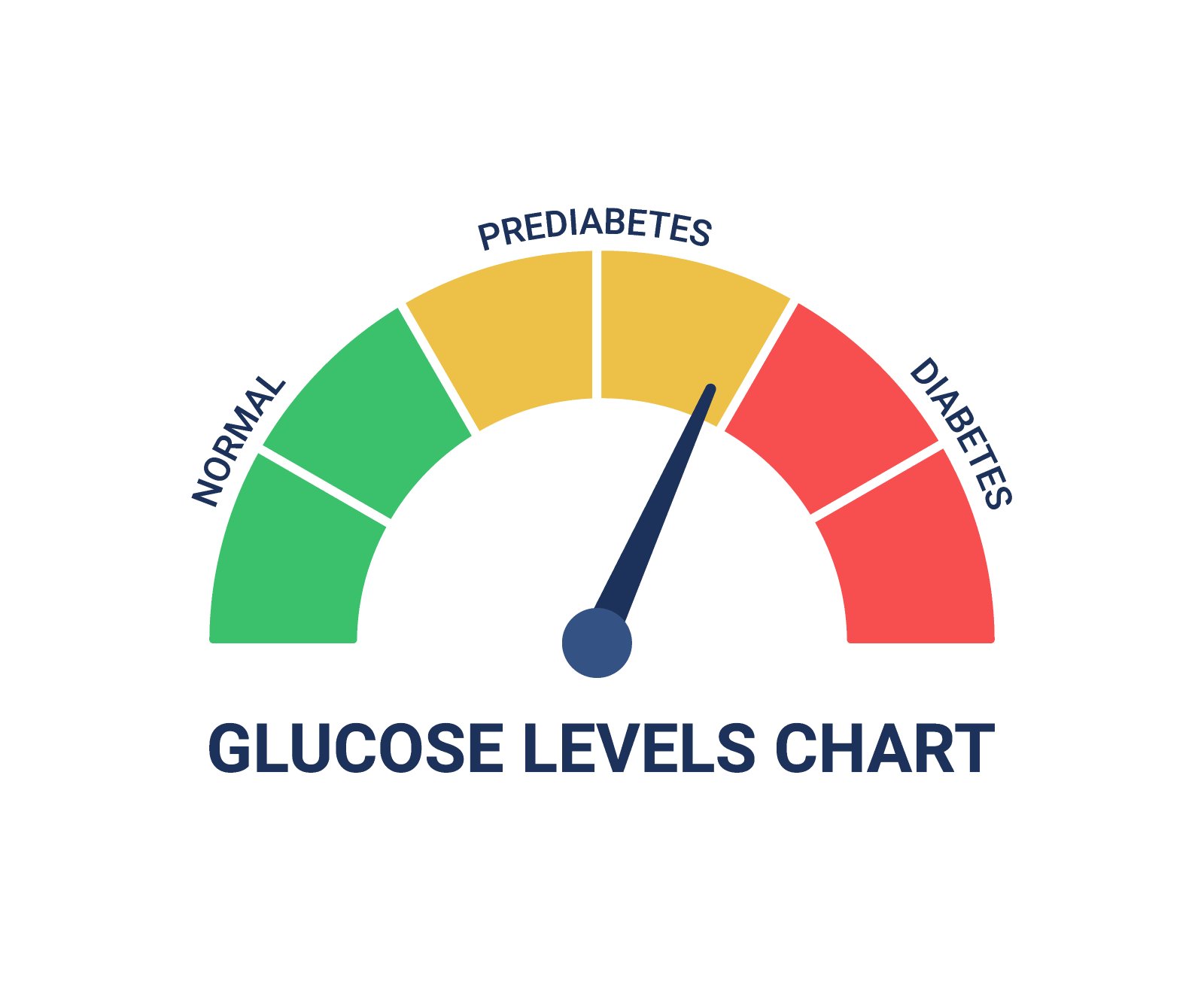
Prediabetes means your blood sugar is higher than normal, but not high enough for diabetes. Many people do not know they have it. However, early detection is important. If you catch prediabetes early, you can often prevent type 2 diabetes. According to the CDC, prediabetes affects millions of adults worldwide. Yet, most people feel fine and notice no symptoms. That is why knowing the signs and risks is key.
Common Symptoms of Prediabetes
Usually, prediabetes does not cause clear symptoms. Still, some people may notice small changes. For example, you might feel more thirsty than usual. Or, you may need to urinate more often. Sometimes, you may feel tired even after a good night’s sleep. In some cases, dark patches of skin can appear on your neck, elbows, or knees. But, many people have no symptoms at all. Therefore, regular check-ups are important.
Even if you feel fine, you could still have prediabetes. So, do not wait for symptoms to appear.
Risk Factors for Prediabetes
Some people have a higher chance of developing prediabetes. Knowing these risk factors can help you stay alert. For instance, being overweight increases your risk. Age also matters. People over 45 are more likely to get prediabetes. Family history plays a role too. If a parent or sibling has diabetes, your risk goes up. In addition, a lack of physical activity can raise your risk. Certain health conditions, like high blood pressure or high cholesterol, are also linked to prediabetes.
If you have one or more of these risk factors, you should talk to your doctor about testing.
How Is Prediabetes Diagnosed?
Doctors use simple blood tests to check for prediabetes. The most common tests include:
For example, if your fasting blood sugar is between 100 and 125 mg/dL, you may have prediabetes. An A1C result between 5.7% and 6.4% also suggests prediabetes. These tests are quick and safe. Therefore, ask your doctor about them if you are at risk.
When to See a Doctor
If you have risk factors or notice possible symptoms, you should see a doctor. Early signs of prediabetes can be easy to miss. But, regular check-ups can help catch it early. In addition, if you had gestational diabetes during pregnancy, you should get tested. Even if you feel healthy, testing is wise if you are over 45 or overweight. Your doctor can guide you on the right tests and next steps.
Prevention and Lifestyle Tips
Fortunately, you can lower your risk of prediabetes or slow its progress. Simple lifestyle changes make a big difference. For instance, eating healthy foods helps control blood sugar. Regular exercise is also important. Even a brisk walk each day can help. Losing just a small amount of weight can lower your risk. In addition, avoid sugary drinks and processed foods. Try to get enough sleep and manage stress. These steps can help you stay healthy.
Making these changes can prevent or delay type 2 diabetes. Therefore, start small and build healthy habits over time.
Conclusion
Prediabetes often develops silently without noticeable symptoms, making early screening important. Understanding your risk factors and getting timely health checks can help identify it early. At Saraswati Hospital, our healthcare specialists provide guidance on lifestyle changes and personalized care to support better health and reduce the risk of diabetes. Take the first step towards prevention today.